
The Digital Personal Data Protection Act, 2023 contains a simple test that is easy to state and hard to get right: people must be able to withdraw consent with the same ease as they gave it.
With the public consultation on the draft DPDP Rules now closed, we have been building the privacy controls that put that test into practice.
Key takeaways
- The DPDP Act says withdrawing consent must be as easy as giving it.
- Seaneb’s rule: turning something off takes no more steps than turning it on.
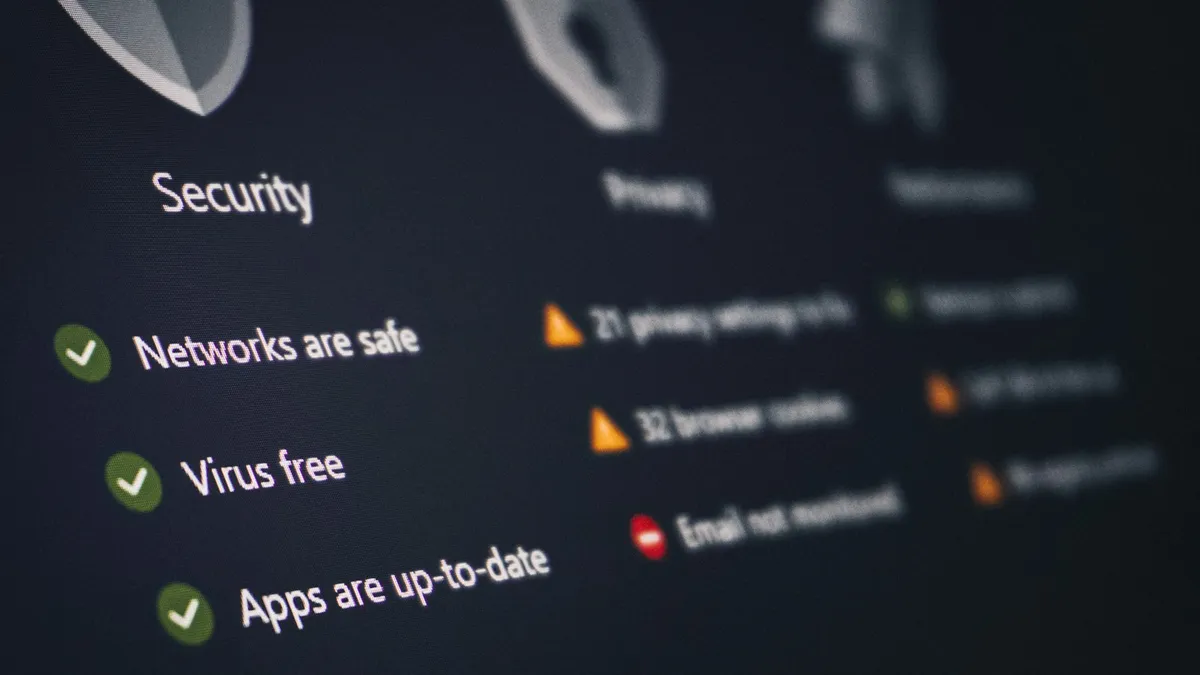
- A privacy dashboard in each app shows every consent and lets people withdraw it in one place.
The parity principle
Our rule of thumb is parity: it should take no more steps to turn something off than it took to turn it on. If agreeing took one tap, withdrawing should take one tap. If agreeing happened inside the app, withdrawing should not require an email.
A single privacy dashboard
We are building one privacy dashboard in each app, reachable from the profile menu. It shows:
- each purpose a person has agreed to, in plain language;
- when they agreed, and which notice they saw;
- a switch to withdraw that consent;
- shortcuts to download, correct or delete their data.
Designing for withdrawal
Same place, same weight
Controls to withdraw sit in the same place, and look as prominent, as the controls used to agree. We avoid burying them several screens deep.
No guilt-tripping
We explain what changes when consent is withdrawn, for example "you will stop receiving job alerts", but we do not use pressure or confirm-shaming copy to change people's minds.
Clear consequences
The Act recognises that withdrawing consent stops future processing based on that consent, while processing that already happened remains lawful. We tell people what will stop and when.
What happens behind the switch
When someone withdraws consent, the change is recorded with a timestamp. Downstream systems, such as notifications and recommendations, check the latest consent before they act, so withdrawal takes effect across the product, not just on one screen.
Testing the experience
We test these flows by counting steps: opt in, then opt out, and compare. Any flow where leaving takes longer than joining is treated as a bug.
Read how we handle your data today, and your rights under the DPDP Act, in our Privacy Policy.
Frequently asked questions
What happens when I withdraw consent?
Processing based on that consent stops going forward. Processing that happened before you withdrew remains lawful.
Where do I manage my consent in Seaneb apps?
In the privacy dashboard, reachable from your profile menu, alongside options to download, correct or delete your data.
Will Seaneb try to talk me out of withdrawing?
No. We explain what will change, but we do not use pressure or guilt-tripping language.