
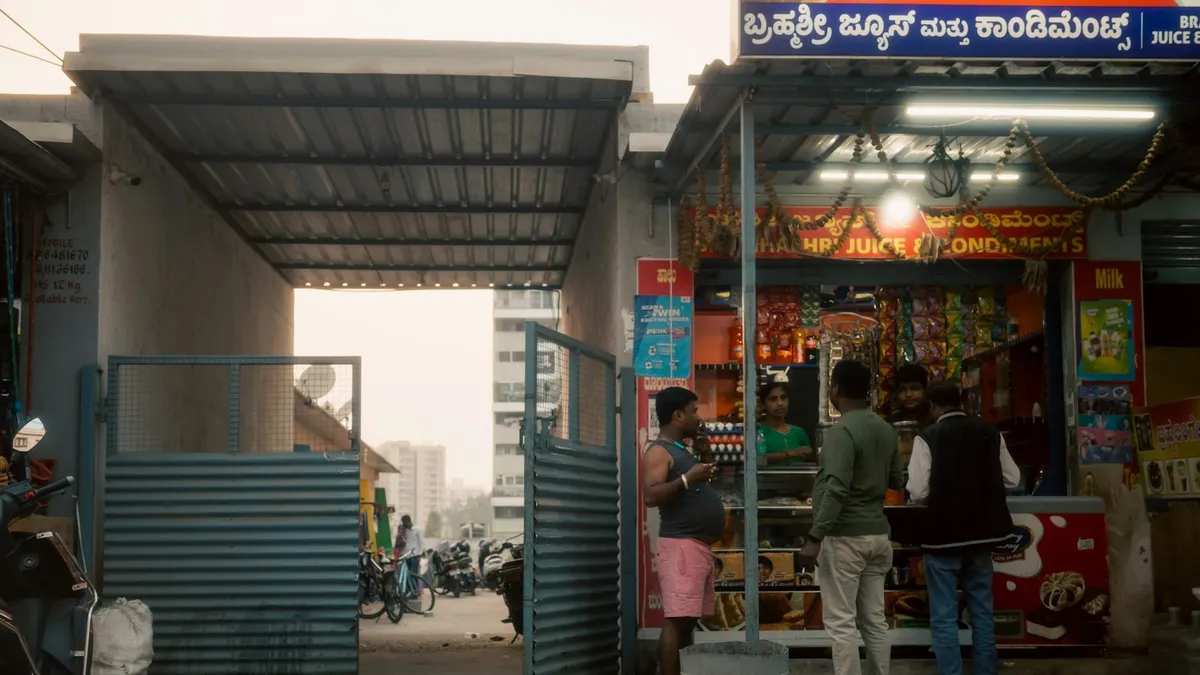
Seaneb is built around a simple business model: local businesses pay for the tools they find useful, and we do not take a commission on their sales. Customers pay businesses directly. That choice was made for fairness. It also turns out to be one of our strongest privacy decisions.
This post explains how our commission-free model and the data minimisation principle in the Digital Personal Data Protection Act, 2023 work together across the ecosystem we are building.
Key takeaways
- Seaneb takes no commission on local sales; customers pay businesses directly.
- That means we never need to collect or route payment data.
- The DPDP Act limits consent to data necessary for a specified purpose, so collecting less is both fair and compliant.
What data minimisation means under the DPDP Act
The Act links consent to a specified purpose: consent is limited to the personal data that is necessary for that purpose. It also expects personal data to be erased once the purpose is no longer being served, unless the law requires it to be retained. In short, collect what you need, use it for what you said, and do not keep it longer than necessary.
Why a commission-free model means less data
No payment data to hold
Platforms that take a cut of every transaction usually sit in the middle of the payment. That means card details, bank references, order histories and dispute records flowing through their systems. Because customers pay local businesses directly, we do not need to collect or route that payment data at all. Data we never collect cannot be breached, misused or forgotten in a backup.
No incentive to profile buyers
When revenue depends on the volume of sales, there is pressure to track every click and purchase to push more of them. Our revenue comes from business subscriptions, so we do not need to build detailed purchase profiles of the people browsing a local shop.
Collecting only what people need to connect locally
For each part of the ecosystem we ask one question: what is the minimum data needed for this connection to happen?
- Local discovery: an approximate locality is enough to show nearby shops and offers. A precise, continuous location trail is not needed.
- Hiring: a candidate shares the details an employer needs to consider them, and chooses when to share them.
- Business profiles: we separate the business's public details from the owner's personal contact information, so owners decide what is shown.
One account, separate purposes
We plan for one Seaneb account to work across our services. A shared account must not become a shared pool of data. Each service will keep its own purposes, so data given for hiring is not quietly reused for something unrelated. Where a new use is needed, we will ask for consent for that purpose.
How this builds trust
Trust is easier to earn when a company has nothing to hide in its business model. Being commission-free means our incentives line up with our users: help businesses get found and help people find what is nearby, without monetising more personal data than the connection needs.
Read how we handle your data today, and your rights under the DPDP Act, in our Privacy Policy.
Frequently asked questions
What is data minimisation?
Collecting only the personal data needed for a specific purpose, using it only for that purpose and not keeping it longer than necessary.
Does Seaneb handle payments between customers and businesses?
No. Customers pay local businesses directly, so Seaneb does not collect or route those payments.
Will one Seaneb account share my data across services?
One account can work across services, but each service keeps its own purposes. A new use of your data needs your consent for that purpose.